
Moving Beyond the Spreadsheet: The Reality of Procurement in the Gulf
By Omar Dakhane
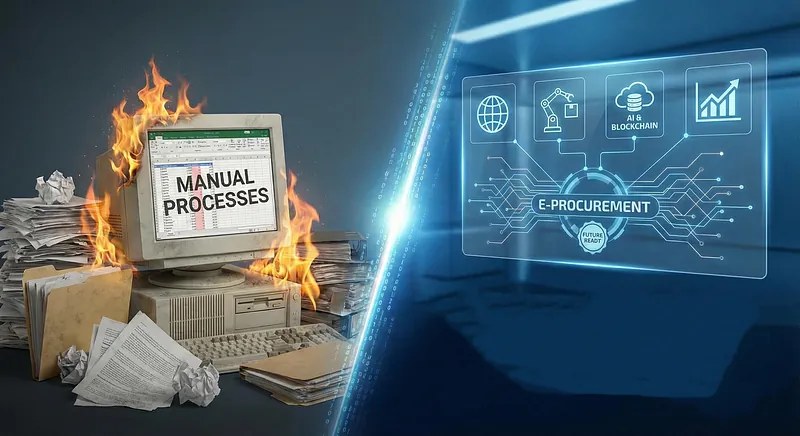
If you’ve managed a supply chain in the GCC, you know that the “perfect” procurement process usually lives only in the boardroom deck. In the actual office, the reality is much noisier. I’ve seen regional contracts worth millions delayed not by a lack of funds, but because a single Arabic-to-English translation error on a trade license didn’t match the banking records in the system.
Digital transformation in our region isn’t just about software. It is about building a system that can handle the localized complexities that global templates often overlook.
The Problem with the “Standard” Policy
The most common mistake is assuming that a global procurement policy will be followed just because it was issued by headquarters. In many GCC offices, business moves on relationships. If the official portal takes three days to approve a simple office repair or a software seat, the team will simply bypass it.
This creates a massive “maverick spend” problem where finance has no visibility into the commitment until the reimbursement claim arrives. The only way to win is to make the digital path faster than the phone call. You need a pre-approved catalog tailored to the local market, where a manager can hit a button on their phone between meetings. If the process isn’t mobile-friendly and instant, the “old way” of doing things will always win.
Why the Three-Way Match Struggles in Week One
On paper, the three-way match is the gold standard: you compare the Purchase Order, the Goods Receipt, and the Invoice. But when you turn this on in a regional rollout, it usually grinds to a halt during the first month.
You quickly realize that your warehouse team might be receiving partial shipments to meet a deadline but only scanning the full PO, or a supplier might be sending invoices that don’t include the VAT registration number in the correct format. If your system is set to be 100 percent rigid, it will block every payment.
I’ve found that you have to build in “tolerances.” For example, allowing a small percentage of price variance for shipping or currency fluctuations. If you try to enforce absolute perfection on day one, you’ll paralyze your supply chain and have vendors calling you about overdue payments during a peak season. The system needs to be a filter for major risks, not a barrier to daily business.
The Forensic Work of Data Cleaning
The most unglamorous part of this shift is the data cleanup. Many regional entities have “dirty” vendor lists that haven’t been audited in years. You might find the same supplier entered five different times: once in English, once in Arabic, and three times with slight spelling variations.
If you plug this data into a new platform like SAP Ariba or Coupa, the automation will fail. You’ll end up with duplicate payments and reports that are effectively fiction. You have to do the manual work of de-duplicating those vendors and standardizing the SKUs before you go live. It is a tedious process of checking trade licenses and bank IBANs, but skipping it means your “high-tech” system will just help you make mistakes at a faster rate.
Managing the Human Transition
The hardest part of this transition is moving the team away from the physical “stamp.” For many professionals who have spent decades as the gatekeepers of the paper trail, a digital approval can feel like a loss of control.
The goal is to shift their focus toward the strategic side of the business. Instead of checking if an invoice matches a PO, they should be looking at why the company is using ten different vendors for the same category across different territories. You want the software to handle the transaction so the people can handle the regional risk and the supplier relationships.
The 90 Percent Rule
There is no such thing as a perfect procurement system. You will always have an emergency purchase or a unique local requirement that doesn’t fit the template. The goal is 90 percent visibility. If you can see where 90 percent of your regional cash is going in real-time, you are in a position to manage the business. If you are still relying on spreadsheets and emails, you are just waiting for the next crisis to happen.